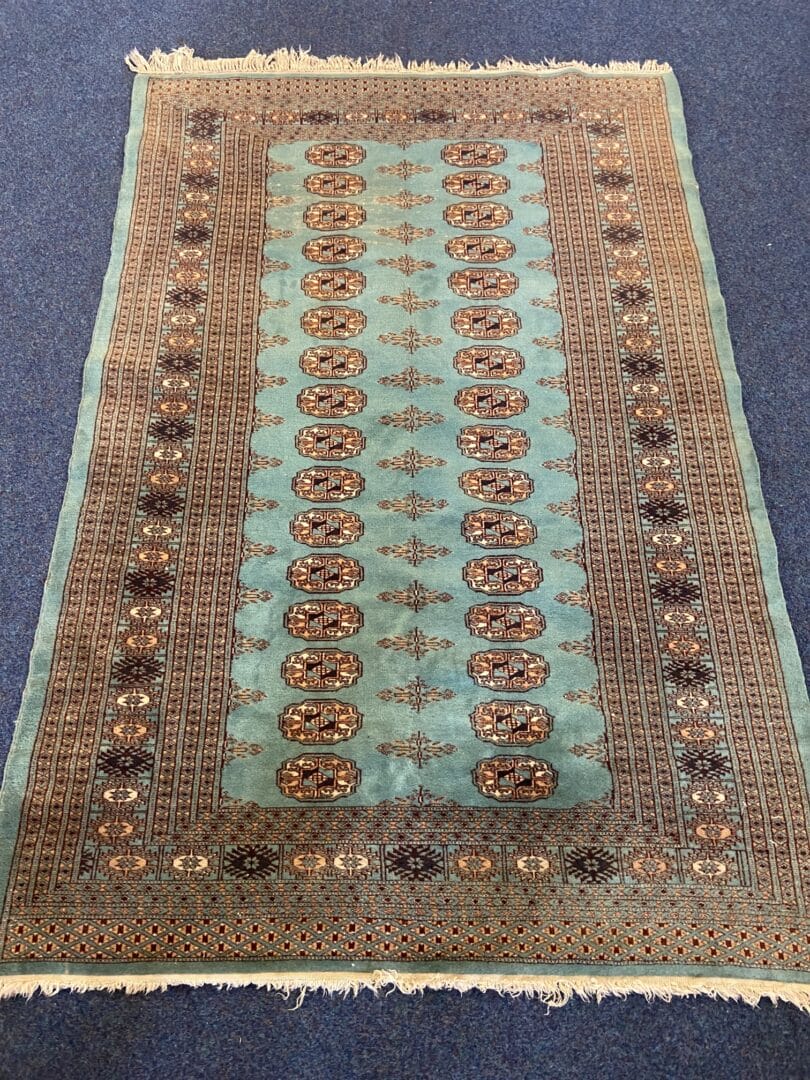
Pet accidents happen in real homes.
A puppy is still learning.
An older dog is becoming unwell.
A nervous cat spraying indoors.
A pet is sick during the night.
Most people aren’t angry about the accident itself.
The real stress starts afterwards, when you suddenly realise…
The smell lingers.
The stain keeps coming back.
The room never feels fully fresh again.
And here’s the part many companies avoid saying clearly…
Pet stains are not always fully removable.
Sometimes we can completely solve the issue.
Sometimes we can improve it dramatically.
And sometimes, especially if the contamination has soaked deep into the rug backing or fibres, there can still be permanent odour or staining left behind.
We very strongly believe that honesty matters way more than unrealistic promises!
Key Takeaways
- Pet urine often penetrates far deeper than the visible stain.
- Recurring odours usually mean contamination remains underneath.
- DIY cleaning can spread urine deeper into the rug
- Different rug fibres react differently to treatment.
- Some pet odours can be fully removed, others cannot.
- Professional inspection helps avoid unnecessary damage risks.
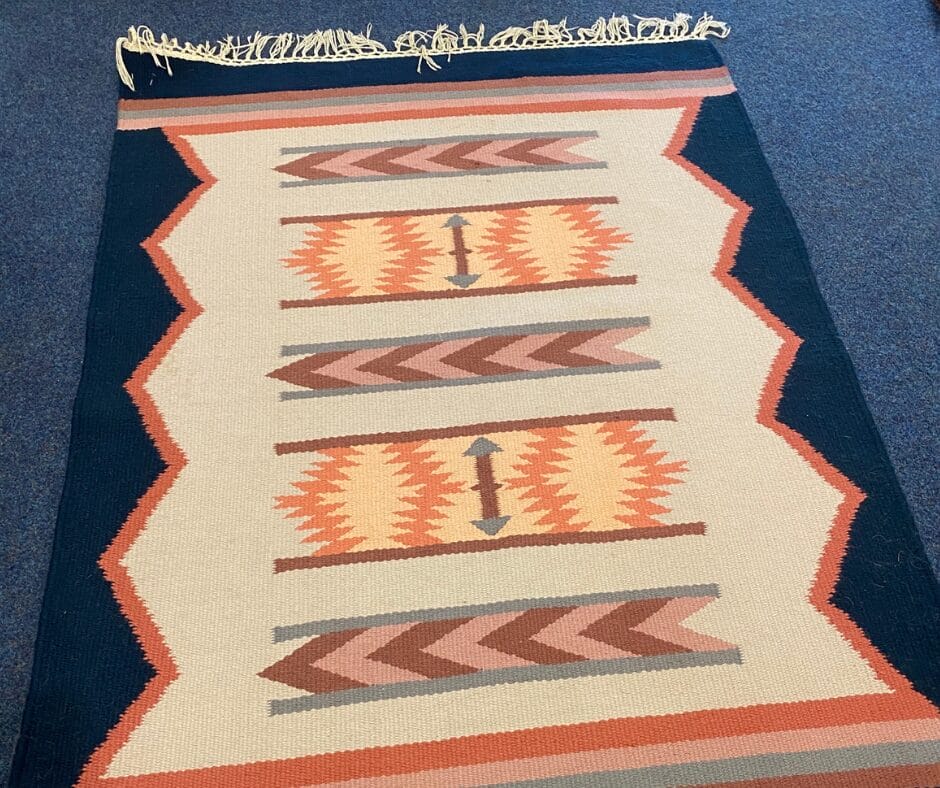
In short… Pet stains and pet odours in rugs are difficult because the contamination often goes deeper than the visible surface.
Pet urine can soak into…
- Rug fibres
- Backing materials
- Underlay
- Natural foundations
- Adhesives beneath the rug
This means surface cleaning alone often does not fully solve the problem.
Different rugs also react differently to treatment, which is why proper inspection matters first.
If you are dealing with different types of rug stains, you may also find our main guide helpful:
Why Every Rug Stain Needs a Different Treatment
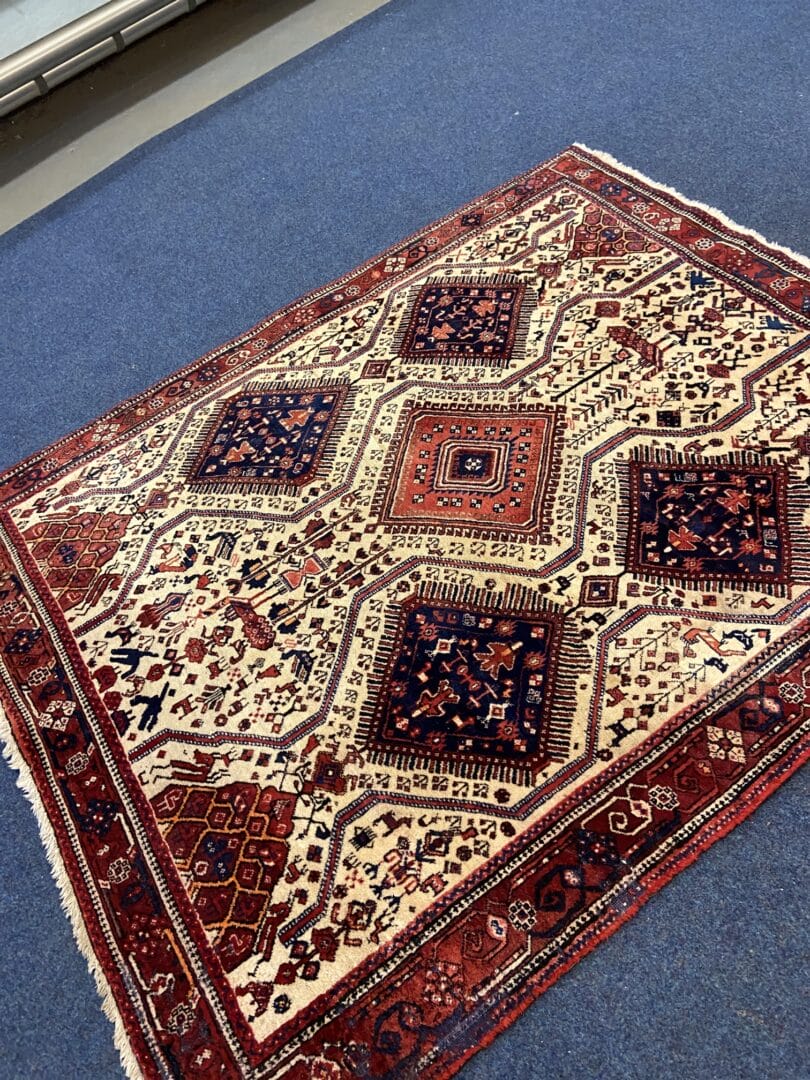
The Customer Pain Point We See All the Time
One of the most common situations we see is this:
A customer has cleaned the visible pet stain several times themselves.
At first, the rug looks better.
But a few days later, especially when the room warms up, the smell returns again.
They start questioning themselves.
“Am I imagining it?”
“Has the dog done it again?”
“Why does the room still smell?”
That frustration builds because people feel like they are constantly fighting the same problem without understanding why it keeps returning.
One customer recently told us they had stopped inviting friends over because they were worried people could still smell the dog, even after cleaning the rug several times themselves.
That emotional side matters more than people realise.
It stops being “just a rug stain” and starts affecting how comfortable someone feels in their own home.
The reason is usually simple.
The surface may look clean, while contamination still remains deep underneath.
We often find urine has travelled much further into the rug than the visible stain suggests.
That hidden contamination is what creates recurring odours.
And unfortunately, repeated DIY cleaning attempts can sometimes spread the problem even deeper.
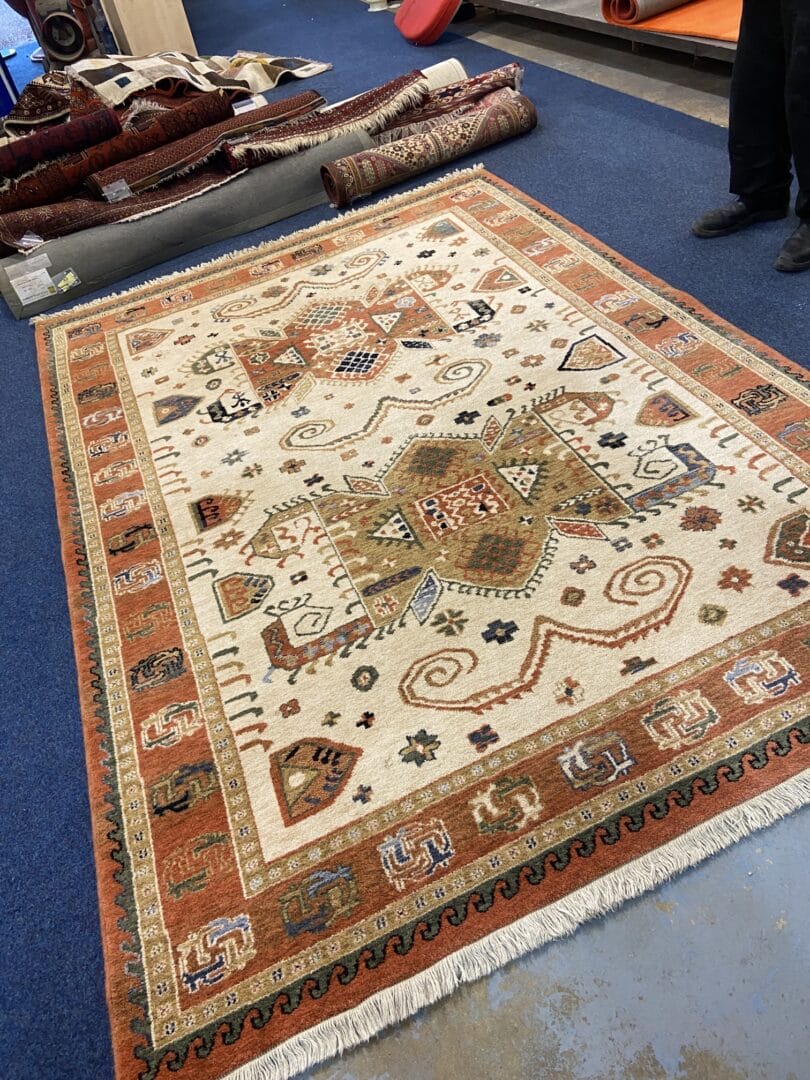
Why Pet Urine Is So Difficult to Remove
Pet urine is not just moisture.
It contains:
- Proteins
- Salts
- Bacteria
- Uric acid crystals
As urine dries, those crystals can remain trapped inside the rug structure.
Humidity and warmth can then reactivate the smell later.
That is why some rugs smell worse during warm weather or after heating has been on.
This is also why supermarket sprays often fail to solve the issue long-term.
Many products will simply mask the smell temporarily rather than removing the contamination itself.
Different Rugs React Very Differently
One of the biggest misunderstandings around pet stain removal is assuming every rug can be cleaned the same way.
They cannot.
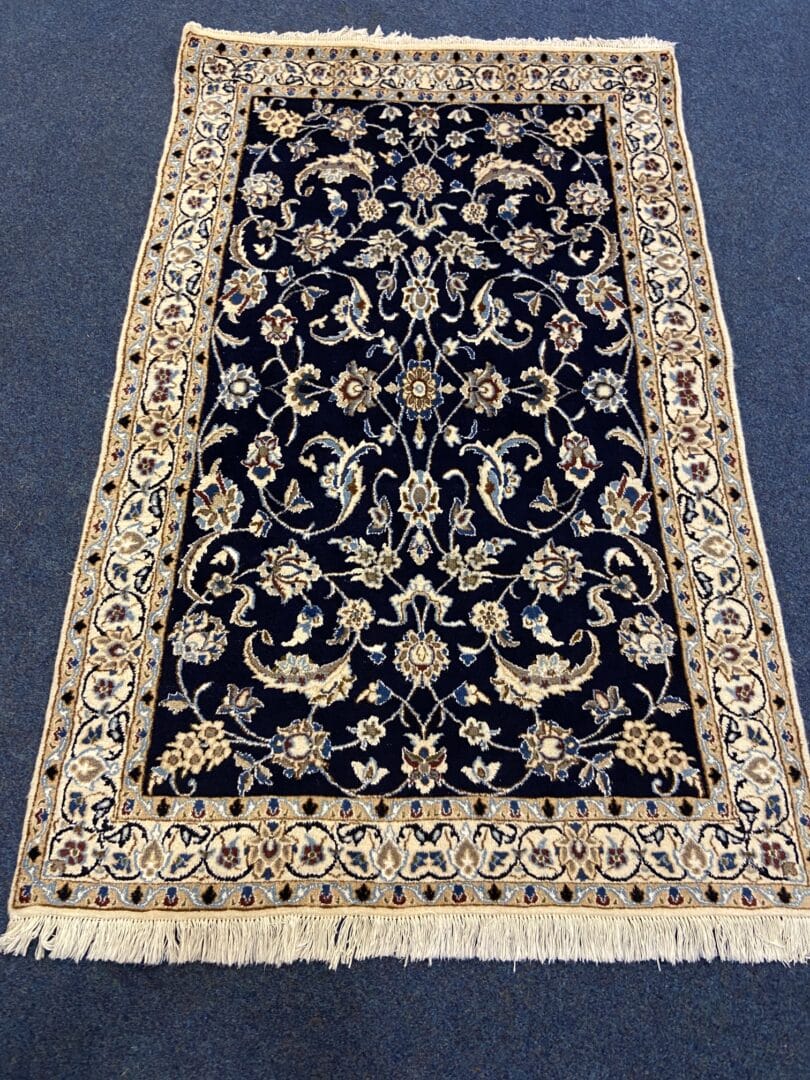
- Wool Rugs
Wool absorbs moisture deeply and can trap odours inside the fibres.
It is also sensitive to aggressive chemicals.
- Silk Rugs
Silk rugs are extremely delicate and high-risk when over-wet.
Incorrect treatment can permanently damage colour and texture.
- Synthetic Rugs
Synthetic rugs are often more stain-resistant, but urine can still penetrate backing materials underneath.
- Natural Fibre Rugs
Jute and sisal rugs can absorb contamination rapidly and are particularly vulnerable to odour retention.
This is why professional pet stain treatment always starts with identifying the rug fibres properly first.
You can learn more in our Rug Cleaning Knowledge Centre.
Why DIY Pet Stain Cleaning Can Make Things Worse
We completely understand why people try home cleaning methods first.
Most people are trying to protect the rug quickly and avoid expensive damage.
But pet contamination is one of the easiest things to accidentally spread further.

Common DIY Problems We See
- Over-wetting the rug
This can push urine deeper into the backing and underlay.
- Using scented sprays
Many products temporarily mask the smells without fixing the contamination underneath.
- Scrubbing aggressively
This damages fibres and spreads contamination across a larger area.
- Using incorrect chemicals
Some cleaning products could affect dyes or damage all the delicate fibres.
- Repeating surface cleaning over and over
This often spreads moisture without removing deep contamination properly.
Sometimes the rug ends up with:
- Permanent odours
- Browning
- Watermarks
- Fibre damage
- Delamination issues
That is why we always advise caution before attempting DIY rug stain removal.
Can Pet Smells Always Be Removed?
Honestly, no.
And we believe clients deserve truthful expectations from the start.
The outcome depends on several factors:
- How long has the contamination been there
- Whether previous cleaning attempts were made
- How deeply the urine travelled
- The rug fibre type
- Whether the backing materials are contaminated
- Whether bacterial growth has developed
Some rugs respond brilliantly to treatment.
Others improve significantly but still retain faint odours during warm weather.
And in severe cases, permanent contamination may remain within the rug foundation.
No, that is not negativity… even though it sounds like it!
That is just honest rug care advice.

Why Professional Inspection Matters
Professional rug cleaning is not just about cleaning what you can see.
It is about understanding what is happening underneath the surface.
A proper inspection helps identify:
- Fibre type
- Odour penetration
- Contamination depth
- Existing damage
- Previous cleaning residue
- Moisture risks
This allows safer treatment decisions before work begins.
Without inspection first, pet stain removal becomes guesswork.
If you are unsure what your rug needs, our Specialist Treatment Service may help guide you safely.
Why Honest Advice Matters With Pet Stains
Pet owners already feel embarrassed enough sometimes.
The last thing people need is unrealistic promises.
We would always rather explain:
- What can realistically improve
- What risks exist
- What limitations may remain
- Whether treatment is worthwhile
That honesty protects the customer and helps people make informed decisions.
It is also one of the reasons long-term trust matters far more to us than simply winning a booking.
What If You Have Multiple Types of Rug Stains?
Pet accidents are only one type of rug contamination.
Different stains react differently depending on fibres, moisture, age, and previous treatment attempts.
That is why we created our main guide:
Why Every Rug Stain Needs a Different Treatment
It explains why no stain removal process is ever truly one-size-fits-all.
FAQs
Why does my rug still smell after cleaning?
The visible surface may be clean while contamination still remains inside the backing or underlay.
Can pet urine permanently damage a rug?
Yes. Urine can affect fibres, dyes, backing materials, and adhesives if left untreated.
Why does the smell return when the room gets warm?
Heat and humidity can reactivate trapped urine crystals inside the rug.
Are pet stains harder to remove from wool rugs?
Wool absorbs moisture deeply, which can make odour removal more complex.
Should I use supermarket pet sprays?
We would always advise caution. Many products only mask smells temporarily rather than removing contamination fully.
Can old pet stains still be treated?
Sometimes. Older contamination is often harder to fully remove because it penetrates deeper over time.
Sometimes the Smell Is More Than Surface Deep
Pet accidents are stressful enough without feeling pressured or judged afterwards.
The safest approach is usually calm assessment, honest advice, and realistic expectations before aggressive cleaning methods make things worse.
If you need help understanding what may be possible with a pet stain or odour issue, feel free to contact us here.
We’ll always be honest about what we believe is realistic.
We’re here when you’re ready.