Everyone thinks there is one way to clean all stains… but no, it’s not one size fits all.
There’s the type of rug, the type of fibres, the type of stain… and here’s the BIG one no one wants to say, but I’m going to… You can’t always get a stain or smell out.
We will be honest with you… just like I am right now.
Being honest is the reason we have a 5-star rating on our Rug Cleaning Service. Our service isn’t just about winning the job… It’s about being truthful right from the start.
Our clients will ALWAYS come first.
Key Takeaways
- There is no one-size-fits-all stain removal method.
- Rug fibres react differently to cleaning products and moisture.
- Some stains can be fully removed, others can’t.
- DIY cleaning can permanently damage delicate rugs.
- Professional inspection is essential before treatment.
- Honesty matters more than unrealistic guarantees.
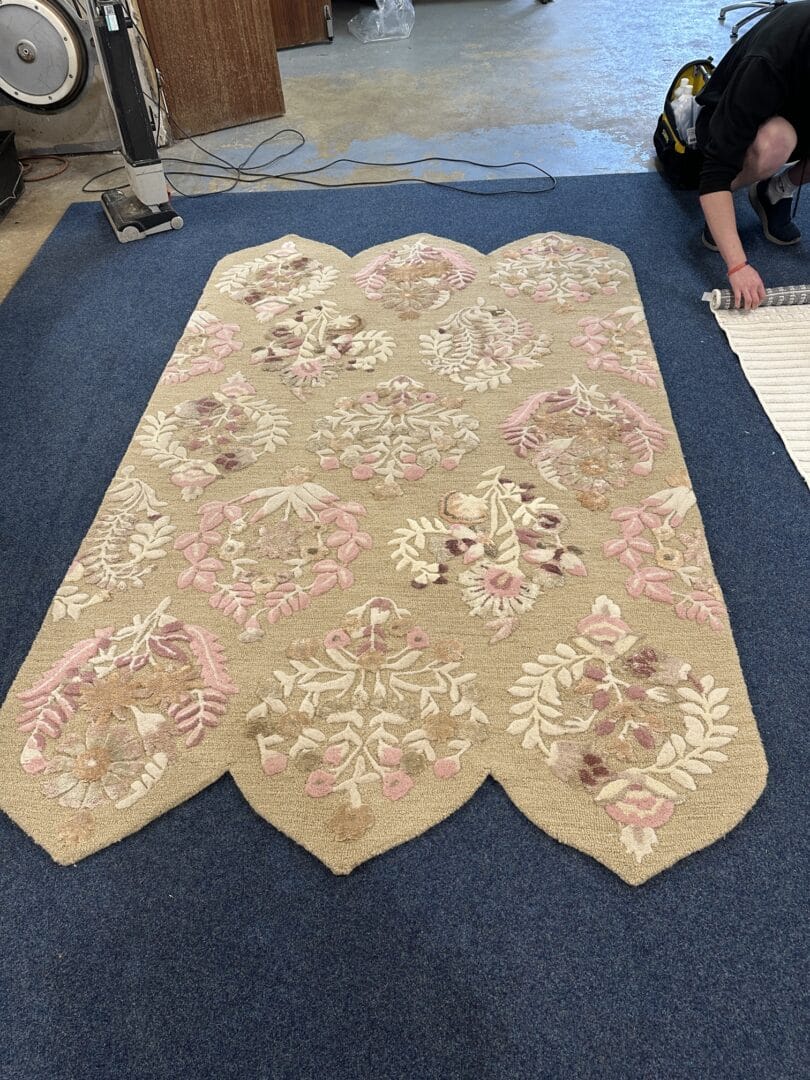
The Biggest Mistake People Make With Rug Stains
The internet makes stain removal sound easy.
- Mix this.
- Spray that.
- Use baking soda.
- Add vinegar.
- Scrub it.
But rugs are not all made the same, and treating them like they are can make the damage far worse.
A wool rug reacts differently to moisture than a synthetic rug.
A silk rug reacts differently to heat than a polypropylene rug.
A natural fibre rug can permanently brown if over-wet.
Then you add the stain itself into the equation.
Red wine behaves differently to pet urine.
Coffee behaves differently to grease.
Blood behaves differently to fake tan.
There is no universal cleaning solution because there is no universal stain.
That is why professional rug cleaning is based on fibre identification, stain analysis, dye testing, and controlled treatment methods.
If someone promises every stain will come out, be careful. Honest companies do not guarantee miracles before they have even seen the rug.
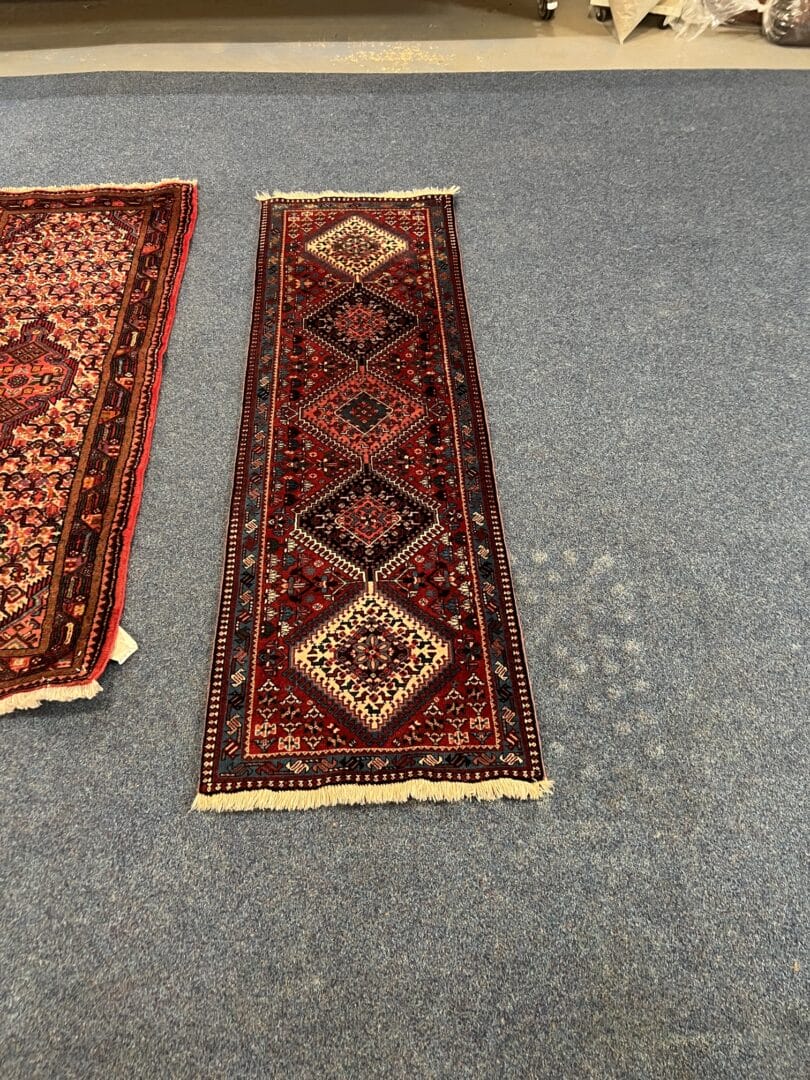
Why Rug Fibre Matters More Than Most People Realise
One of the first things we look at is the rug material.
This changes everything.
Wool Rugs
Wool is absorbent, delicate, and sensitive to strong chemicals.
Wrong cleaning products can strip natural oils, damage dyes, or leave the rug feeling rough and brittle.
Silk Rugs
Silk rugs require extremely careful handling.
Even excessive moisture alone can cause permanent issues.
Synthetic Rugs
Polypropylene and polyester rugs are often more stain-resistant, but that does not mean they are damage-proof.
Some oils and dyes can still permanently mark synthetic fibres.
Natural Fibre Rugs
Jute, sisal, and seagrass rugs are among the riskiest for DIY cleaning.
Too much water can cause shrinkage, browning, texture damage, or odours trapped deep in the fibres.
This is why proper rug stain treatment always starts with understanding the rug itself first.
Learn more in our Rug Cleaning Knowledge Centre.
Some Stains Are Far More Aggressive Than Others
Not all stains simply sit on the surface.
Some chemically change the rug fibres.
Others soak deep into the backing and underlay.
Others leave permanent dye transfer behind.
- Pet Urine Stains
Pet accidents are one of the hardest issues to fully resolve.
The smell can soak beneath the visible surface, especially if left untreated for days or weeks.
In some cases, the odour can be improved dramatically.
In others, permanent contamination remains inside the rug structure.
That is the honest truth most companies avoid saying.
- Blood on Light-Coloured Rugs
A real example we see quite often is blood on a light-coloured rug.
Someone catches their hand, a child has a nosebleed, or a pet has a small injury. Panic kicks in because the stain looks dramatic immediately against pale fibres.
The first instinct is usually to scrub hard with hot water or throw different cleaning products at it quickly.
Unfortunately, that can make things worse.
Blood is a protein stain, which means heat can actually help set it deeper into the fibres. On delicate rugs, aggressive scrubbing can also damage the pile and spread the stain further across the surface.
We have seen cases where the original blood spot was small, but the DIY cleaning attempt left behind a larger discoloured patch that became harder to improve professionally afterwards.
Sometimes we can remove it fully.
Sometimes there is still slight shadowing left behind.
That depends on:
- How quickly it was treated
- What products were used beforehand
- The type of rug fibres involved
- How deeply the contamination travelled
And again, honesty matters here.
We would rather explain realistic outcomes properly than promise perfection and disappoint someone later.
- Red Wine and Coffee
These stains contain strong colour pigments called tannins.
Timing matters massively here.
Older stains become much harder to reduce because the dyes bond deeper into the fibres.
- Oil and Grease Stains
These attract dirt long after the original spill.
Many supermarket stain removers actually make this worse by leaving sticky residues behind.
- Bleach and Chemical Damage
This is not technically a stain.
It is colour loss.
Once bleach strips dye from fibres, cleaning cannot restore the original colour. Sometimes colour repair may help, but not always perfectly.
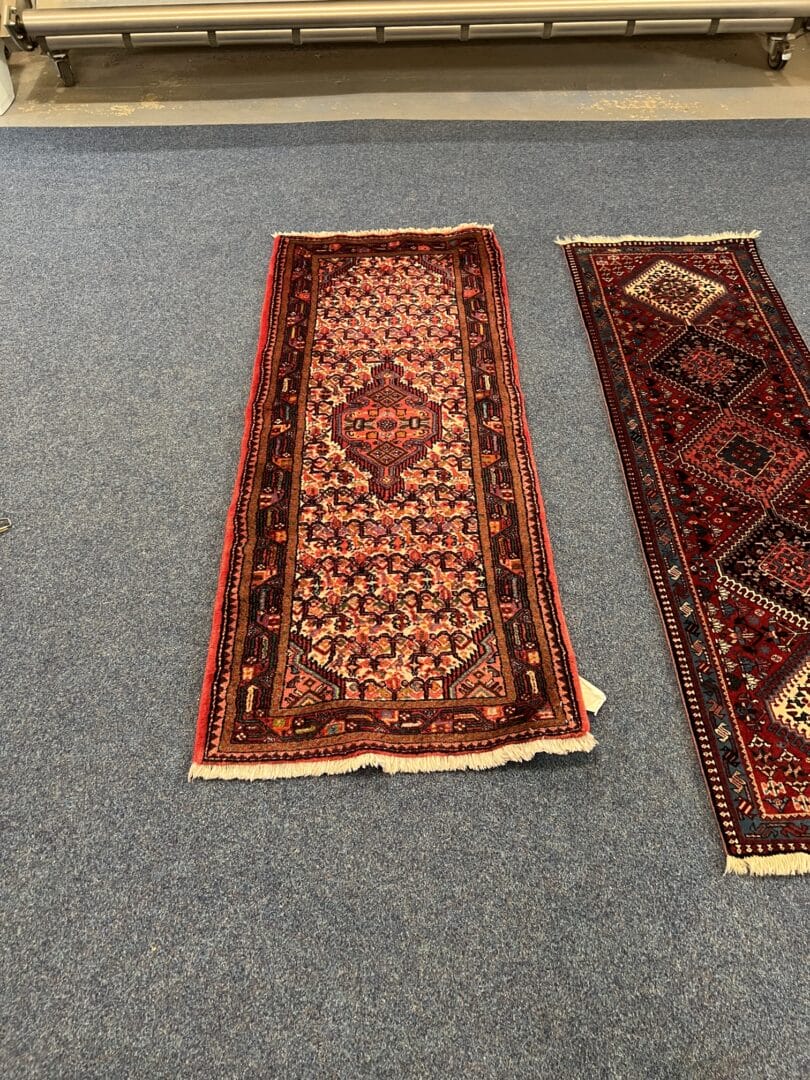
The Hidden Damage DIY Cleaning Can Cause…
We completely understand why people try home stain removal first.
Most people are trying to save money, act quickly, and protect the rug before the stain sets.
But unfortunately, DIY methods can sometimes create bigger problems than the original spill.
Common DIY Issues We See
- Over-wetting… This can lead to shrinkage, mould growth, browning, and bad odours.
- Scrubbing… This damages fibres and spreads stains deeper into the rug.
- Using the wrong chemicals… Many off-the-shelf stain removers are too aggressive for delicate rugs.
- Mixing cleaning products… Some chemical combinations can permanently fix stains into the fibres.
- Masking odours instead of removing them… Air fresheners and scented sprays rarely solve the real problem underneath.
This is why we do not advise DIY rug stain removal methods.
Every rug is different, and mistakes are often irreversible.
If you are unsure, it is always safer to seek advice first through our Specialist Treatment Service.
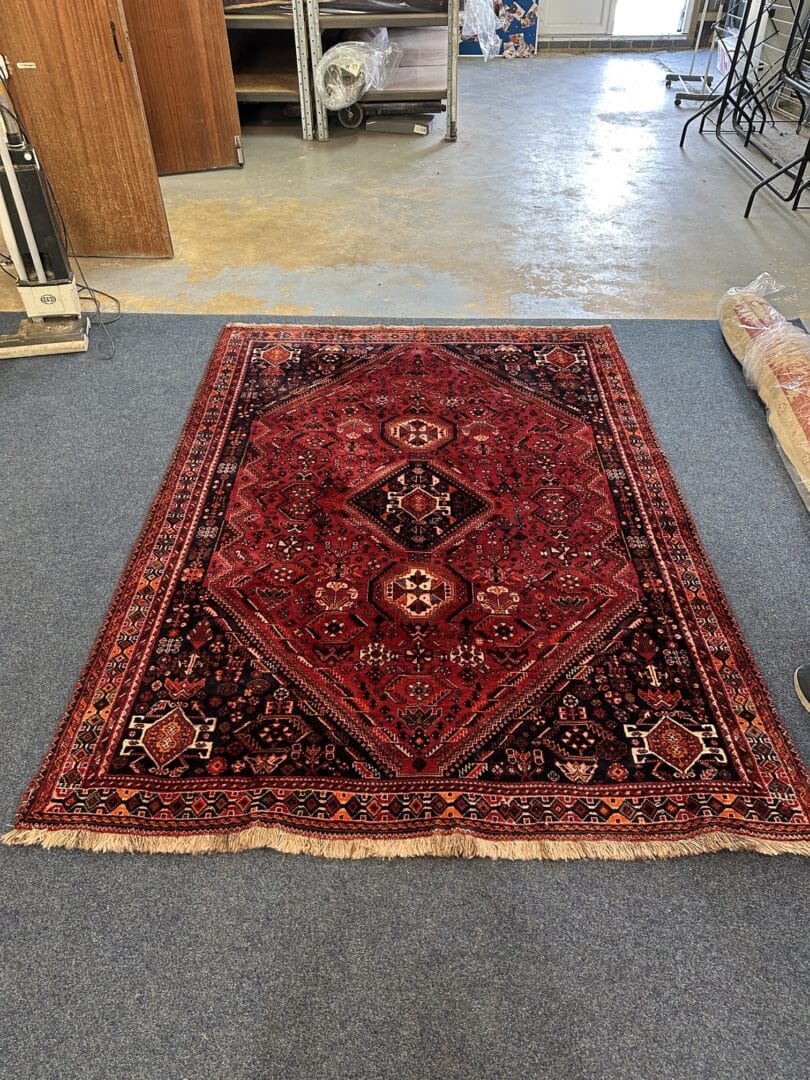
Honest Rug Cleaning Means Setting Realistic Expectations
This part matters.
People appreciate honesty.
No professional cleaner should guarantee complete stain removal without inspecting the rug first.
That is not negativity.
That is experience.
Some stains have chemically altered the fibres.
Some odours have penetrated too deeply.
Some rugs have already been damaged by previous attempts.
A trustworthy rug cleaning company will explain:
- What can likely be improved?
- What risks exist?
- What results are realistic?
- Whether treatment is worthwhile?
That honesty protects the customer.
It also builds trust, which matters far more than overpromising.
Our goal is always to achieve the best safe result possible while protecting the life of the rug.
You can learn more about our professional Rug Cleaning Service here.
Why Professional Rug Inspection Matters
Professional rug cleaning is not just about cleaning.
It is about assessment.
Before treatment begins, experienced cleaners should identify:
- Fibre type
- Dye stability
- Construction method
- Existing wear
- Previous cleaning damage
- Stain category
- Risk factors
This allows the safest possible treatment plan to be chosen.
Without testing first, cleaning becomes guesswork.
And rugs are often far too valuable for guesswork.
The National Carpet Cleaners Association also highlights the importance of professional assessment and fibre-safe cleaning methods for rugs and carpets.
FAQs
Can all rug stains be removed?
No. Some stains permanently alter fibres or dyes. Others may improve significantly but not disappear fully.
Why do some stains come back after cleaning?
This is called wicking. Deep contamination rises back to the surface as the rug dries.
Are pet smells always removable?
Not always. If urine has soaked deep into the backing or foundation, permanent odours can remain.
Is DIY rug stain removal safe?
Not always. Using the wrong products or too much moisture can permanently damage fibres, dyes, and rug backing.
Why do wool rugs need specialist cleaning?
Wool is sensitive to strong chemicals, over-wetting, and aggressive agitation. Incorrect cleaning can damage texture and colour.
Should I scrub a stain immediately?
No. Scrubbing usually spreads the stain and damages the fibres. Professional advice is safer.
What should I do if I spill something on my rug?
Blot gently with a dry cloth and avoid applying random cleaning products until the rug has been assessed.
Why Honest Advice Matters More Than Promises
Rug stain removal is not about finding one magic product.
It is about understanding fibres, chemistry, contamination, risk, and realistic outcomes.
That is why every stain needs treating individually.
And sometimes, the most professional answer is simply being honest about what is possible.
If you would like honest advice about a rug stain or odour issue, you can always contact us here for guidance before making the problem worse.
We’re here when you’re ready.