Quick answer… Specialist rug cleaning means your rug is assessed first, then cleaned with a method matched to its fibre and construction, with proper soil removal, controlled drying and finishing. It is about protecting the rug, not just making the surface look better.
You can vacuum a rug, and it can still feel gritty, look flat, or hold on to a smell you cannot place. That is the confusing bit, it looks “fine”, but it does not feel fresh. People put it off, or try a quick DIY fix, and the rug slowly gets worse.
Specialist rug cleaning means they will assess and clean the rug based on its individual textile properties, rather than using a standard carpet cleaning method. First, your rug is assessed, then cleaned with the right method for its fibre and construction, dried properly, and finally finished so it can come home nice and fresh again. If you want to see what that looks like as a service, our rug cleaning page explains more about it all.
Key takeaways…
- Specialist means fibre-matched care, not stronger chemicals.
- Dry soil removal matters, it protects fibres from long-term wear.
- Drying is part of the cleaning process, it prevents musty smells and stiffness.
- Delicate rugs need different handling, especially viscose, silk, and vintage pieces.
- If you are comparing quotes, compare what is included, not just the price.
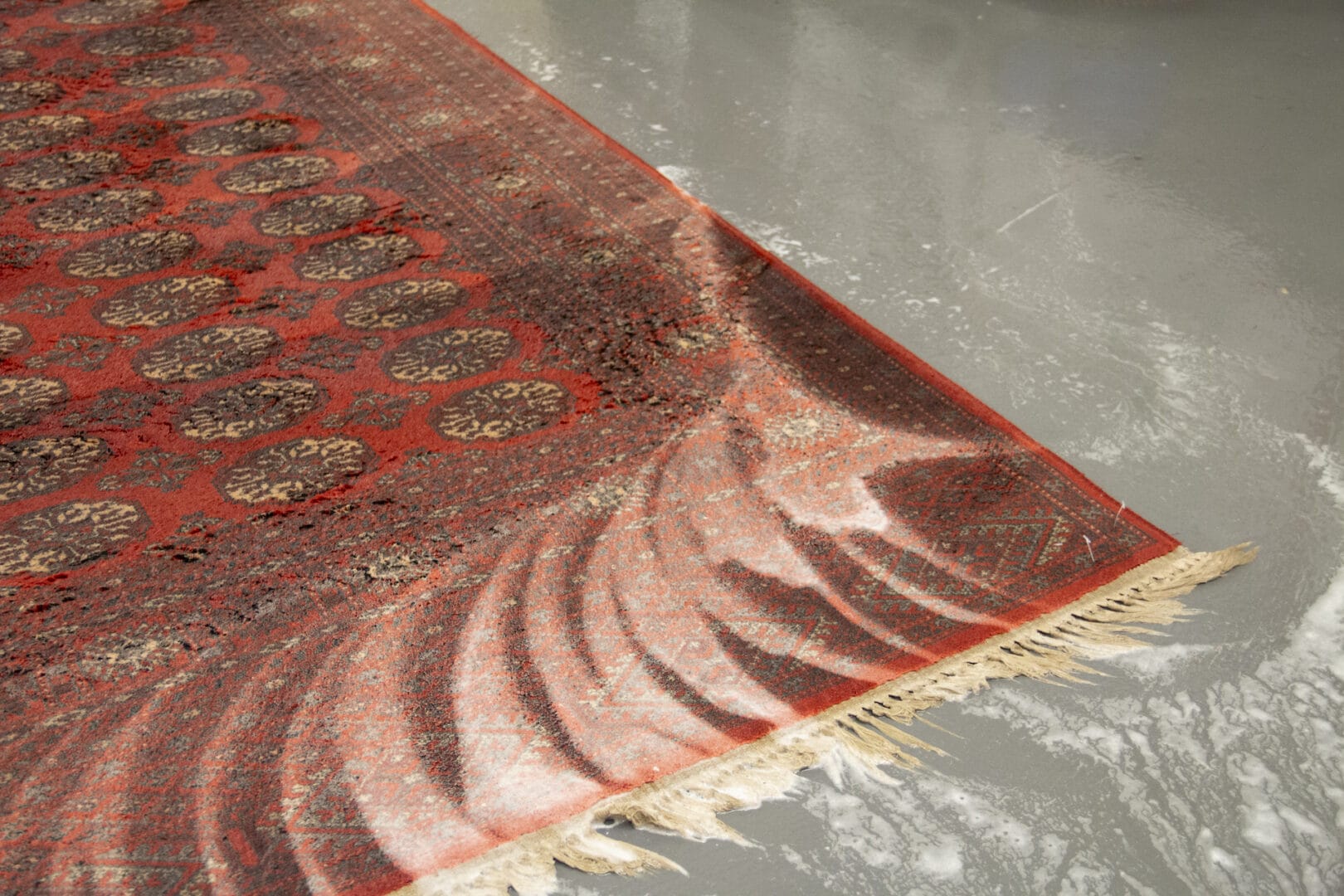
Why rugs need a different approach to carpets
A rug is a loose, layered item. Soil falls through the pile and settles deep, often into the foundation of the rug. But most at-home cleaning focuses on the surface, the grit and fine dust stay where they can do the most damage.
That matters because grit is abrasive. Over time, it can wear fibres, flatten the pile, and dull the colour. The rug can look tired even when it is being “looked after”.
If your rug looks flat and greyed even though you vacuum regularly, it is often trapped soil, not “old age”.
The word specialist is not about fancy chemicals.
People often assume “specialist” means stronger products. But stronger is not safer… the wrong product can strip dye, leave sticky residue, or roughen fibres.
Specialist care is about control. It is choosing the mildest effective method, matching moisture and agitation to the rug, and making sure nothing is left behind that attracts more soil.
If you are dealing with a specific mark, a pet accident, or a mystery stain that keeps returning, our specialist treatment page is the best starting point.
What happens in a proper rug assessment
Before any cleaning starts, a good cleaner checks what the rug is made of and how it is built. But many rugs look similar from a distance, and guessing is where problems begin.
This is where the important questions sit…
- Is it wool, synthetic, silk, viscose, or a blend? (If you know, and don’t worry, not everyone gets this right!)
- Is the dye stable, or likely to bleed? (If you know)
- Is the backing sturdy, or already fragile? (Is there any flaking or patches that have worn down a lot?)
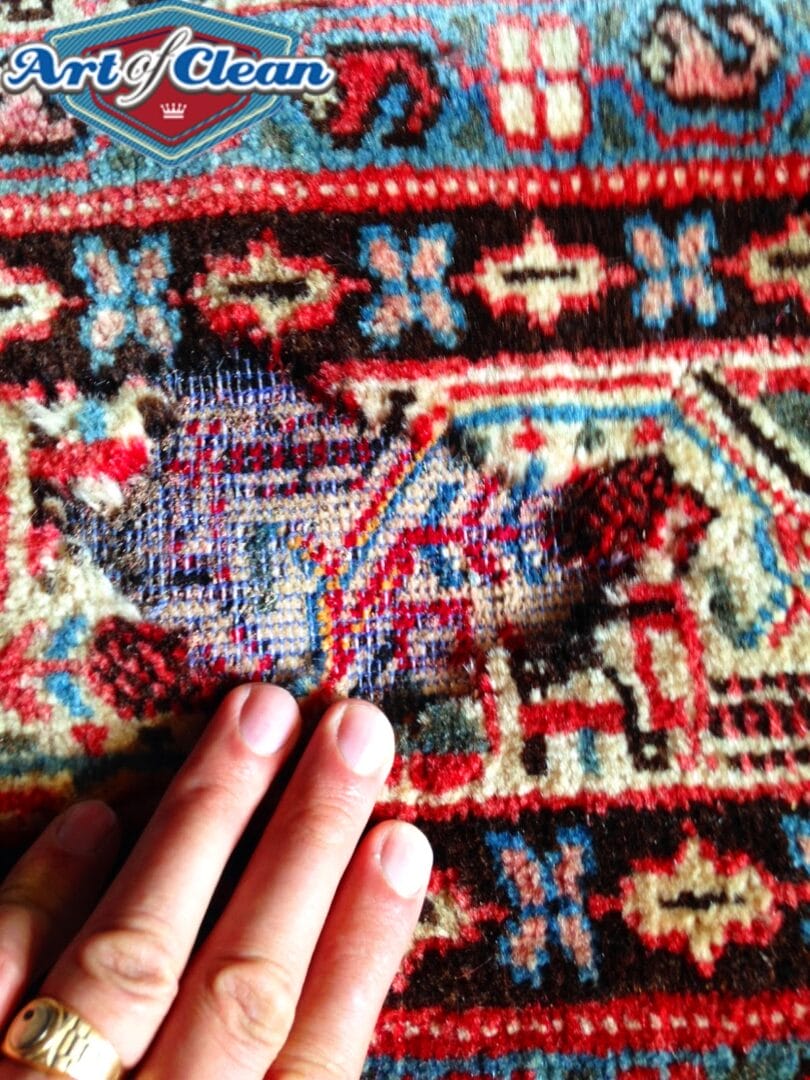
- Are there signs of moth risk, previous over-wetting, or old stain treatment? (The image is what you will typically see if there is moth damage.)
That short assessment is often the difference between “cleaner” and “cleaned safely”.
A specialist tests and checks first, because the rug decides the method, not the machine.
Soil removal is the step most people never see
A big part of specialist rug cleaning is removing dry soil properly before wet cleaning. But if you skip that step, you can turn dry grit into muddy sludge and drive it deeper.
This is also why a rug can feel scratchy underfoot. It is not always the fibre itself, sometimes it is what is trapped inside it.
If you like the detail behind this (and the kind of questions clients ask before booking), you might find the Knowledge Centre useful.
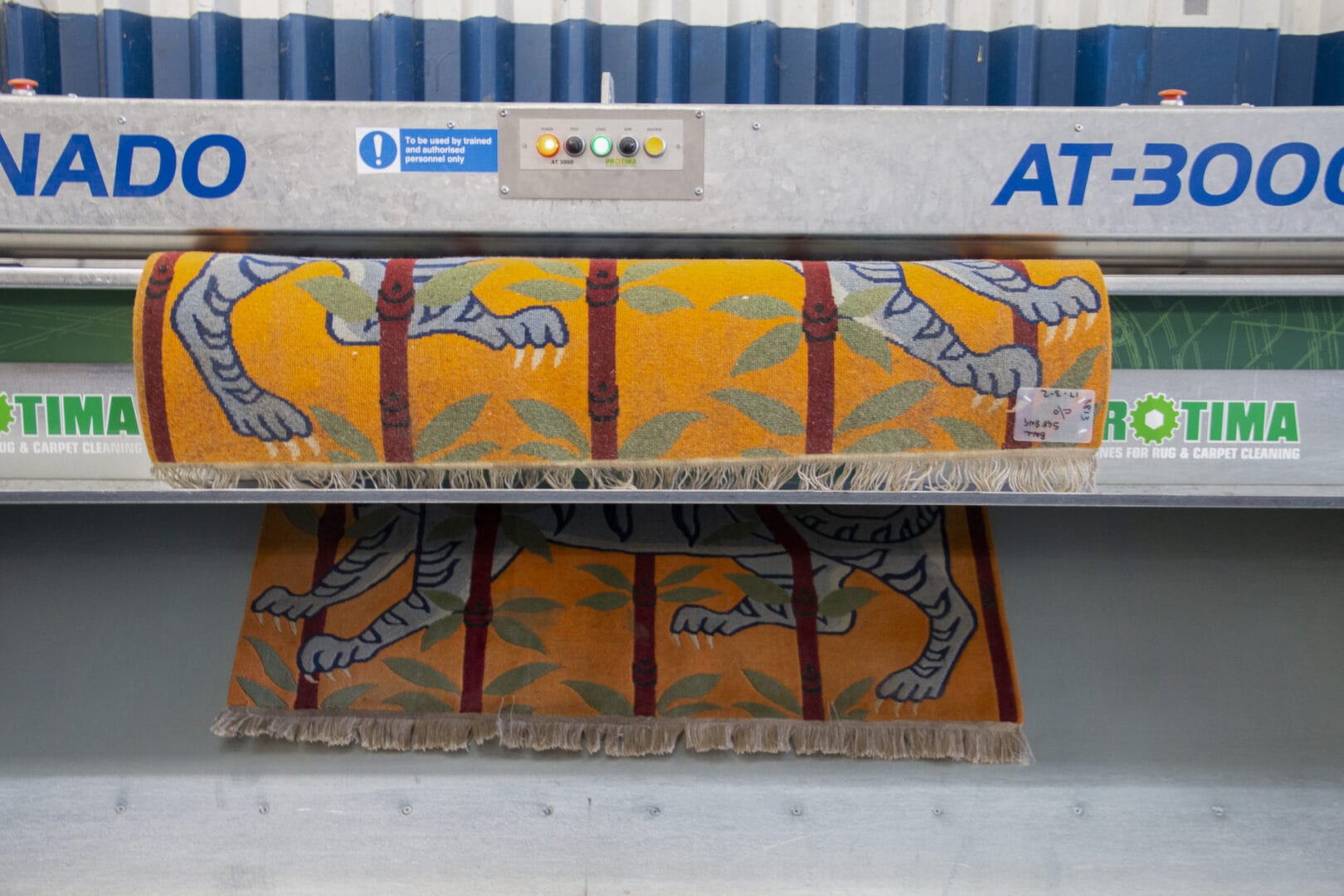
Fibre safe washing, not one method for every rug
Some rugs cope well with a full wash; others need a low-moisture approach, careful handwork, or targeted treatment only. But a one-size method is tempting when you are busy, delicate rugs get treated too aggressively.
Specialist cleaning means the method changes to suit the rug, not the other way round.
- If a rug is wool, you want a cleaning that supports the fibre, lifts soil without harshness, and rinses clean.
- If a rug is viscose or “silk look”, you want very careful moisture control because texture change can happen quickly.
- If a rug is genuinely silk or vintage, you want someone who treats it like an heirloom textile, not a standard floor covering.
For sensible, fibre-first consumer guidance, WoolSafe’s carpet and rug care guide is a good external reference: WoolSafe consumer advice.
Stain treatment is done gently, in the right order.
Most stains are not one thing. They have layers… the visible mark, the residue, and sometimes the odour. But people attack the visible mark first, and all that does is set the problem deeper.
A specialist treats stains in a controlled way and stops when stopping is safer than pushing. That is what protects colour, pile direction, and the feel of the rug.
Good stain work is as much about when to stop as it is about what to use.
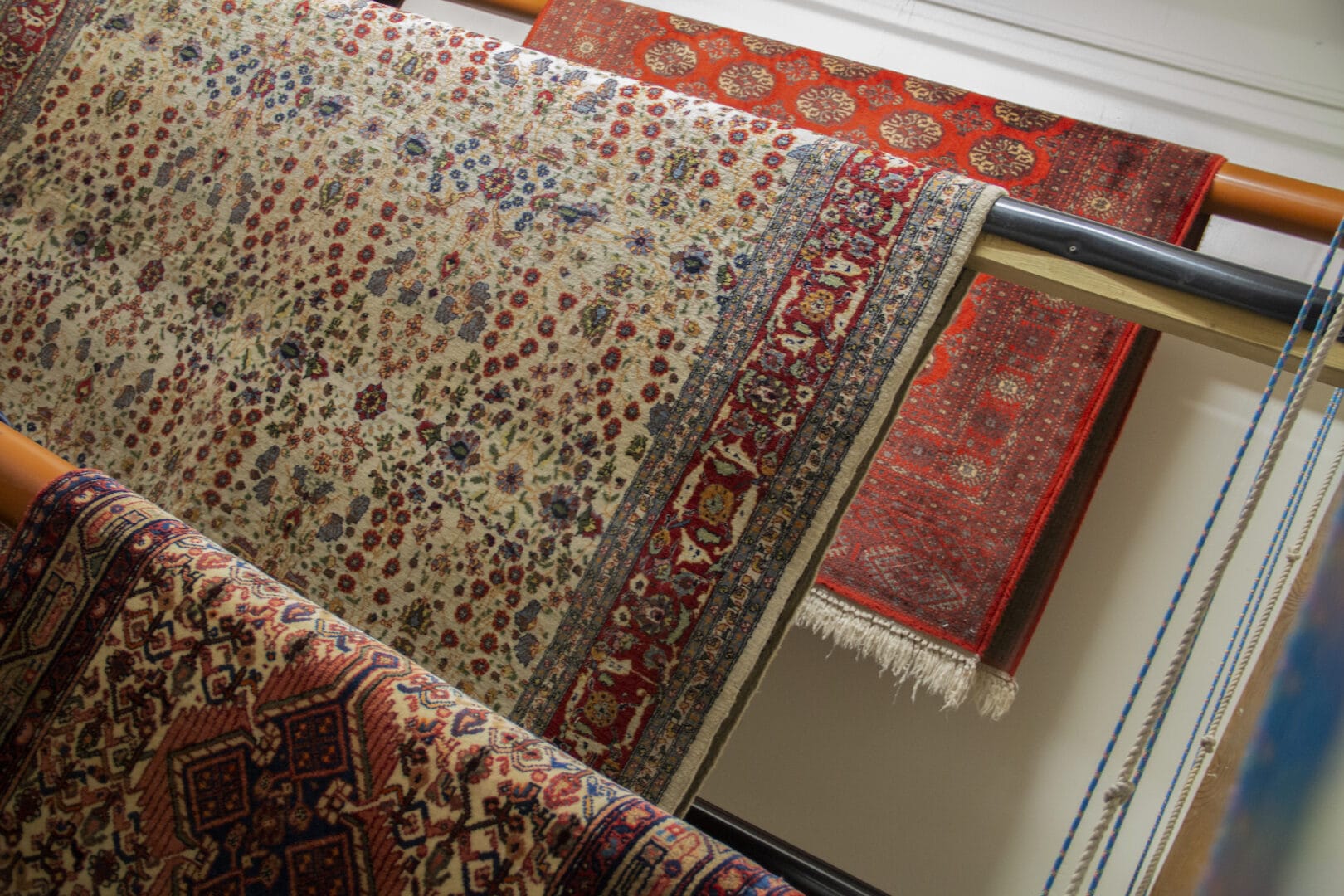
Drying is part of the cleaning.
This is the bit many people forget. But if a rug is left damp for too long, it can smell musty, feel stiff, or develop issues in the backing.
Specialist rug drying is about airflow, time, and making sure the rug is dry all the way through, not just on the surface. A rug that dries properly comes back feeling lighter and more comfortable underfoot.
Finishing, grooming, and how the rug sits in the room
A cleaned rug can still look “off” if the pile is not reset and the edges are not sitting well. But the finish is what people notice first. Specialist care includes grooming and a final check.
This is also where you can spot issues worth flagging, fringe wear, loose edges, or areas that would benefit from repair advice rather than repeated cleaning.
When you should look for a specialist, not a general cleaner…
If any of these sound familiar, it is worth choosing a specialist approach.
- Is your rug wool, silk, viscose, or vintage? (don’t worry if you don’t, but a visit to do the quoet would be best)
- The rug has a really strong smell but no obvious stain.
- Does your rug look flat and grey even after vacuuming?
- Your rug has been “cleaned before” and now feels crunchy or attracts dirt quickly.
- You have pets, or a busy family space where safe pet-friendly products matter.
The point of having your rug cleaned isn’t about perfection… It’s more about confidence that the rug is being cared for properly… without any accidental damage.
If you are comparing quotes, here is what to check…
It is so easy to compare prices, but rugs vary so much that the safest comparison is what is included. So, ask what happens before they start the cleaning… like, how they remove dry soil, how they dry the rug, and what finishing steps are part of the service.
Also, check how collection and return work, and what happens if a stain does not fully lift. A calm, accountable answer tells you a lot. If you want a clear reference point for budgeting, you can see our prices here.
If you’re still unsure, start here.
If you tell us what the rug is like (size, fibre if you know it, and what is bothering you most), we can point you towards the safest option. We’ll give you a clear answer so you feel in control. If you would rather do it in one step, use the contact page and send a photo.
FAQs
Is specialist rug cleaning always off-site?
Not always. Some rugs can be cleaned safely at home, but off-site is often better for thorough soil removal and controlled drying. The right choice depends on fibre, size, and the risk level.
Can you clean a rug if you do not know what it is made of?
Yes. A good process starts with identification and a gentle test. The point is to avoid guesswork, especially with dyes and delicate fibres.
Will specialist cleaning remove every stain?
Not every stain lifts fully, especially old dye stains or marks that have been treated repeatedly. A specialist should be honest about what is realistic and focus on safe improvement rather than risky promises.
How often should rugs be professionally cleaned?
It depends on footfall, pets, and fibre type. Most family homes benefit from a deeper clean periodically, but delicate rugs may need a different rhythm and gentler maintenance.
What is the biggest risk with DIY rug cleaning?
Over wetting, harsh chemicals, and scrubbing. Those three can cause shrinkage, texture change, colour movement, and lingering odour. If the rug is wool, silk, viscose, or vintage, caution matters.