Rug underlay can feel like an optional extra until the rug starts creeping, the edges curl, or the pile looks tired far sooner than it should. And if you have underfloor heating or hard floors, it can be hard to know what is “safe” and what will quietly cause problems.
The answer is yes… almost all rugs will benefit from the right underlay. But the right underlay will depend on the rug’s backing, the floor beneath it, and how the room is being used. Choose well, and the rug sits better, wears more evenly, and feels more comfortable underfoot. Choose badly, and you can trap moisture, leave marks on hard floors, or create rippling that is a pain to flatten out later.
If you are already thinking about a refresh, it can help to read the rug assessment notes on the Rug Cleaning page, because backing and construction are often what decide the safest approach.
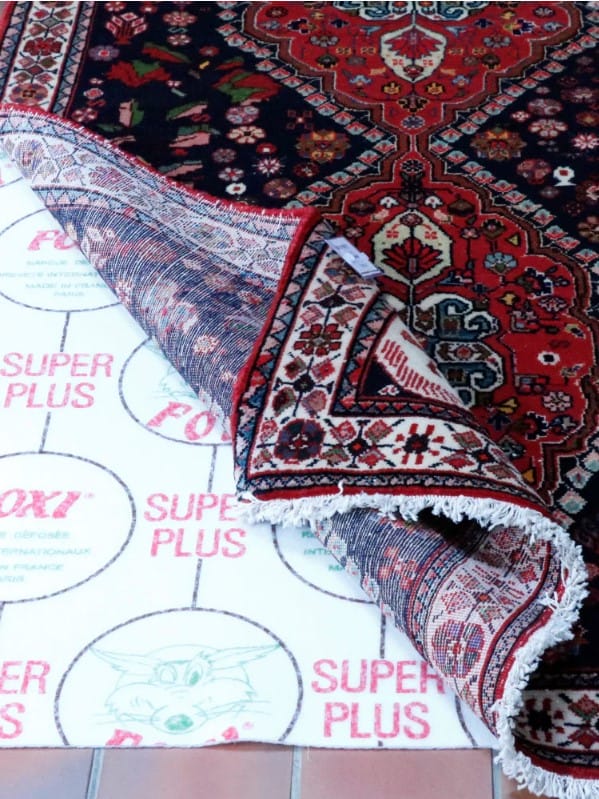
Why does underlay make a bigger difference than people expect
Most people buy a rug because they want the room to feel softer, warmer, and more finished. But when the rug moves every time someone walks across it, it does the opposite. It feels messy, and it can even feel unsafe if it slips underfoot.
Underlay solves that, but it also does something more important. It reduces the friction between the rug and the floor. That matters because grit and tiny particles act like sandpaper. The more the rug shifts, the more those particles work away at the fibres and backing over time. Underlay stabilises the rug, therefore the rug tends to wear more evenly and keep its shape for longer.
The three questions that decide which underlay suits your rug
It’s tempting to buy “the thickest one” or whatever is on offer. But rugs are not all built the same, underlay choice is not one size fits all.
A simple way to get to the right category is to answer these three questions.
First, what floor is the rug sitting on? Hard floors (wood, tile, LVT, laminate) need grip, but they also need the right material, because some backings can mark or react with finishes. Carpeted floors need stability too, but grip works differently because the rug is already sitting on a soft surface.
Second, does the rug have a latex, rubber, or “sticky” backing? Some modern rugs have bonded or latex-style backings. They can feel solid, but they can also be sensitive to heat and moisture. If you have underfloor heating, this becomes even more important.
Third, how much clearance do you have for doors? If doors scrape, people often blame the rug. But underlay thickness can tip the whole thing into a daily frustration. Their low-profile options are normally the safer choice in places like your hallway, entrances, and anywhere a door swings over the rug.
A simple underlay comparison table
This table will help as a starting point. It does not replace checking your specific rug backing and floor finish, but it will help you narrow the options before you buy.
| Felt underlay (wool or synthetic felt) | Comfort, insulation, reducing wear, especially under larger rugs | Needs a grippy layer on hard floors or it can still creep | Softer, warmer, more cushioned |
| Rubber or latex grip (thin) | Stopping slip on hard floors, low door clearance areas | Some rubber products can mark certain floor finishes, avoid cheap unknown materials | Firm, low profile, less “bounce” |
| Combination felt plus grip (fibre top with grip base) | Most family homes with hard floors, comfort plus stability | Choose the right thickness for doors and thresholds | Balanced, stable, comfortable |
| Underlay for carpeted floors (often a thinner, denser felt) | Rugs placed over fitted carpet, especially in bedrooms | Too much thickness can make the rug feel “spongy” and shift at edges | Stable, slightly padded |
Hard floors… How can you avoid slipping and damage?
Hard floors make rugs look amazing, but they also make rug movement way more noticeable. The usual quick fix is a grippy underlay. But the wrong grippy material can leave marks, especially on certain finishes, or it can react over time if any form of heat is involved.
Therefore, the safest direction is usually a reputable combination underlay (comfort plus grip) or a thin grip product specifically designed for your floor type. If you are ever unsure, it is worth looking at the independent rug and carpet care guidance from WoolSafe… which is a well-known UK organisation for fibre-safe cleaning and care.
If your rug is already shifting and it has started to look wavy or uneven, it may not be just the underlay. It can also be a moisture and drying behaviour issue. The Knowledge Centre has a useful explainer on wicking, which is one of the reasons marks and unevenness can feel like they “come back” after a clean.
Underfloor heating, what changes and why it matters
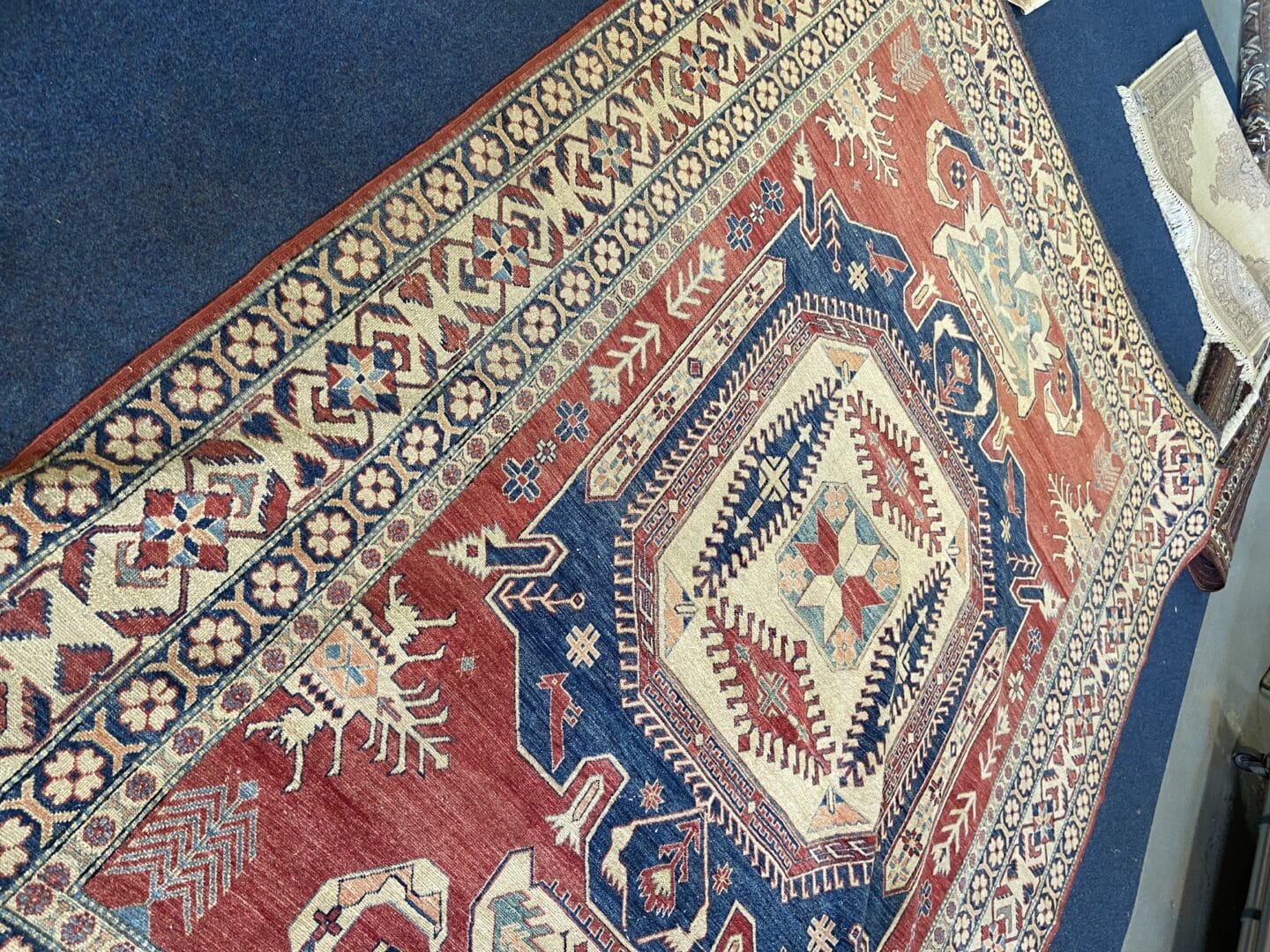
Underfloor heating is brilliant for comfort, but it changes how materials behave. Heat can soften some adhesives and affect certain backings… particularly latex-style or bonded backings in modern rugs. It can also increase drying speed in ways that feel helpful, but can create uneven tension in some structures if moisture is involved.
So the goal is not just grip. The goal is airflow, stability, and materials that tolerate gentle heat. A breathable underlay, matched to the floor and the rug construction, is usually the safest direction.
If you’re booking professional cleaning and you have underfloor heating, mention it right at the start. It will help plan drying and finishing properly, and it can affect which treatments are suitable. If you need deeper support for odours, contamination, or dye stability concerns, the Specialist Treatment page explains what is available and when it is worth stepping up the plan.
Carpeted floors, why grip is not the main job…
If your rug is sitting over carpet, the rug often feels like it should stay put. But the edges can still creep, especially in high-traffic spots. And because the base is soft, the rug can “ruck” slightly at the edges, which is where people start to trip.
Therefore, the underlay on carpet is usually about stability and shape, not maximum grip. A thinner, denser underlay is often enough. Too much thickness can make the rug feel unstable, like walking on a mattress, which can increase edge movement rather than reducing it.
Door clearance and thresholds… small details that save you from that daily annoyance
This is the part most people only notice after they have bought the underlay. The rug sits beautifully, but doors start catching, or the entrance area becomes a choke point.
Before you buy, measure the clearance under the door (or look for scuff marks on the rug that show contact already). If the clearance is tight, a thinner underlay can still do the job, especially if the main issue is slipping rather than comfort.

If you are comparing options, here is what to check
Underlay is one of those things where cheap can become expensive. Not because it falls apart immediately, but because the wrong material can create ongoing irritation, or even damage, in the wrong setting.
Compare like for like. Check whether it is designed for hard floors or carpet. Check thickness and whether it is breathable, especially if heat is involved. And check that it is suitable for your rug type, particularly if your rug has a latex backing or is a delicate fibre.
When the underlay will not solve the problem on its own
Underlay can make a huge difference, but it is not a cure for everything. If a rug has developed rippling from previous moisture exposure, or the backing has started to distort, underlay might reduce movement, but it will not reset the structure.
And if the rug is dull because it is full of embedded grit and soil, the underlay will not restore the fibres. It will simply slow down wear going forward. Therefore, if the rug looks tired as well as unstable, it can be worth pairing the right underlay with a proper professional clean.
If you want to get a feel for what that includes, the Prices page lays it out clearly so you can choose the level of care that fits your rug and your home.
A calm next step if you are unsure
It’s normal to feel unsure here, especially if you have an expensive rug, a delicate fibre, or underfloor heating. The easiest way to get it right is to base the decision on the rug’s backing and where it sits, not on what looks best on a product listing.
If you want us to point you in the safest direction, send a couple of photos (front and back if possible) and tell us what floor it sits on. You can get in touch with us via our Contact page, and we’ll guide you, no pressure.
FAQs
Do all rugs need an underlay?
Not all, but most benefit from it. The main exceptions are very heavy rugs that already sit flat and stable, or rugs in low-traffic rooms where movement is not an issue. Even then, underlay can reduce long-term wear.
Can underlay damage wooden floors?
Some can, especially if the material is not designed for your floor finish, or if moisture is trapped underneath. Therefore, it is worth choosing reputable materials and avoiding unknown rubber mixes on sensitive finishes.
Is a thicker underlay always better?
No… not always. Thicker can add comfort, but it can also create door clearance problems and make rugs feel unstable on carpet. The best thickness depends on placement, traffic, and the rug’s structure.
What if my rug sits over underfloor heating?
Choose an underlay that is made for breathability and heat tolerance… try not to use anything that could soften or react under heat. If the rug also has a latex-style backing, take extra care with materials and airflow.