You can live with a rug for years and years and never even think about moths! But the first time you notice a bald patch or a dusty line at the edge, it can feel like it happened overnight. It usually did not. Moth damage is often quiet at first, the safest approach is knowing the early signs, and knowing when to stop trying all the quick fixes you’ve read and get proper help.
If you want more calm, practical rug advice, browse the latest guides in the Knowledge Centre.
Key takeaways about Month damage in rugs
- Moth damage often becomes visible late, so early signs matter.
- Risk is about conditions, not whether you are a “clean” home.
- Avoid sprays and soaking… residue and moisture can make things worse.
- Professional cleaning plus proper drying is often the safer route for valuable rugs.
- Acting early protects the rug and reduces spread.

Why moth damage can feel sudden
Moths do not damage rugs in the way most people imagine. It is usually the larvae that cause the trouble, and they are drawn to natural fibres, most commonly wool, silk blends, and other animal-based fibres. Early activity can sit deep in the pile where you cannot see it… the first visible sign often appears later than you would expect.
It can also show its ugly face right after you move furniture, change your vacuum routine, or rotate the rug. In all honesty, that weak area was already there, but now it is exposed.
Rugs are most at risk in real homes.
People often assume moths only affect neglected spaces, but risk is more about conditions than cleanliness.
Rugs tend to be more vulnerable when they are:
In low-traffic rooms, under beds, or under furniture where regular vacuuming does not reach. In homes that stay closed up in winter, where humidity rises. In properties where the rug sits on cooler floors and takes longer to dry after spills, or after a DIY attempt.
If your rug is sentimental or irreplaceable, you may find this guide reassuring as well: Sentimental Rug Looking Tired? We’ll See If We Can Help.
Early signs people miss
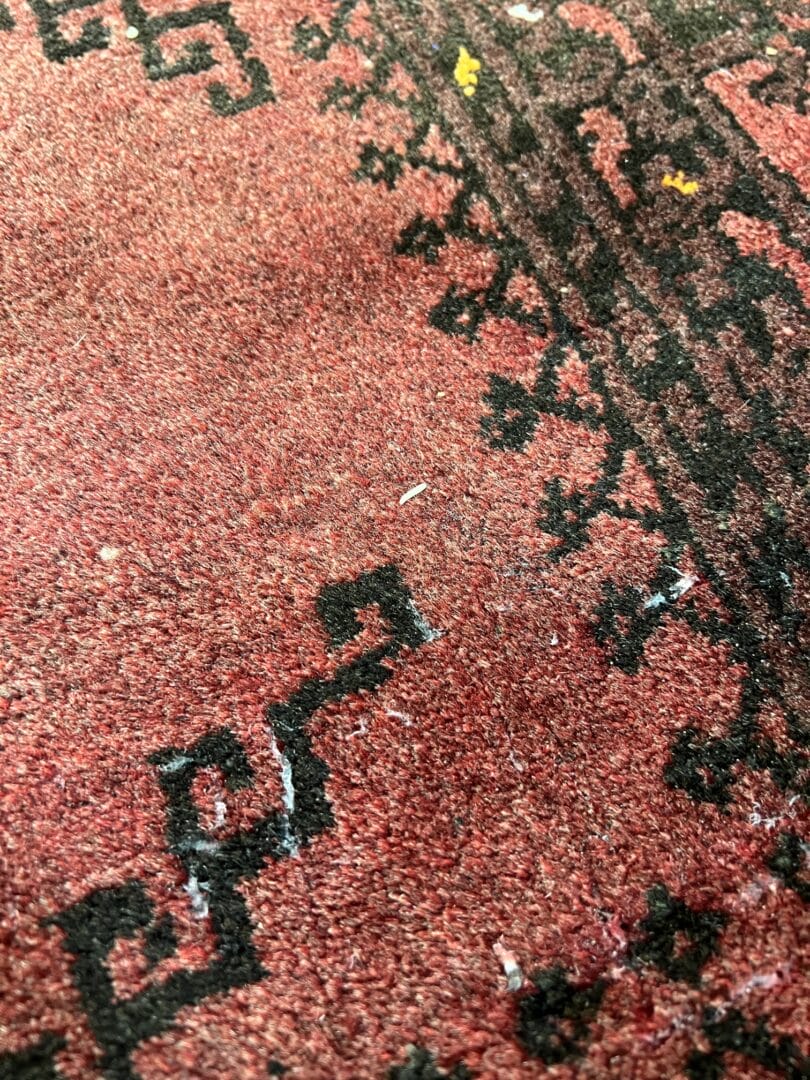
It’s very easy to mistake early moth activity for normal fluff or dust, especially if the rug still looks fine from a distance.
Common early signs include:
Small bald pockets that look like fibres have snapped rather than worn flat. Fine, gritty debris at the base of the pile, often along edges. Slight clumping near the backing. Patchy thinning in protected areas, such as under the edge of a sofa, beside a radiator, or under a bed.
The mistake is pushing on and vacuuming harder… the weak area can unravel faster.
Moth damage or shedding: How to tell the difference
New wool rugs can shed, and that usually looks like loose fibres across the surface and in the vacuum, but the pile underneath stays even.
Moth damage tends to look uneven and localised. It often appears in shaded spots and under furniture, rather than evenly across the whole rug.
If you are unsure, it is worth pausing. Many rugs get into trouble because they are over-wet, then never properly dried through the foundation. This explains the risk clearly: Rug Drying Times and Why We Quote 3 to 4 Weeks.
What not to do if you suspect moths
When people panic, they automatically reach for sprays, powders, and heavily scented products. The problem is that many leave residue in the pile, and residue can attract more soil and dull the fibres over time. Others can affect dyes, therefore you can end up with moth issues plus colour change.
Try not to soak your rug at all, no steaming it at home, or sealing it in plastic if there is any chance it is damp. Moisture that cannot escape creates its own problems.
What a safe, professional next step looks like
If moth activity is suspected, there are two aims. Remove what is in the rug now, then reduce the conditions that let it return.
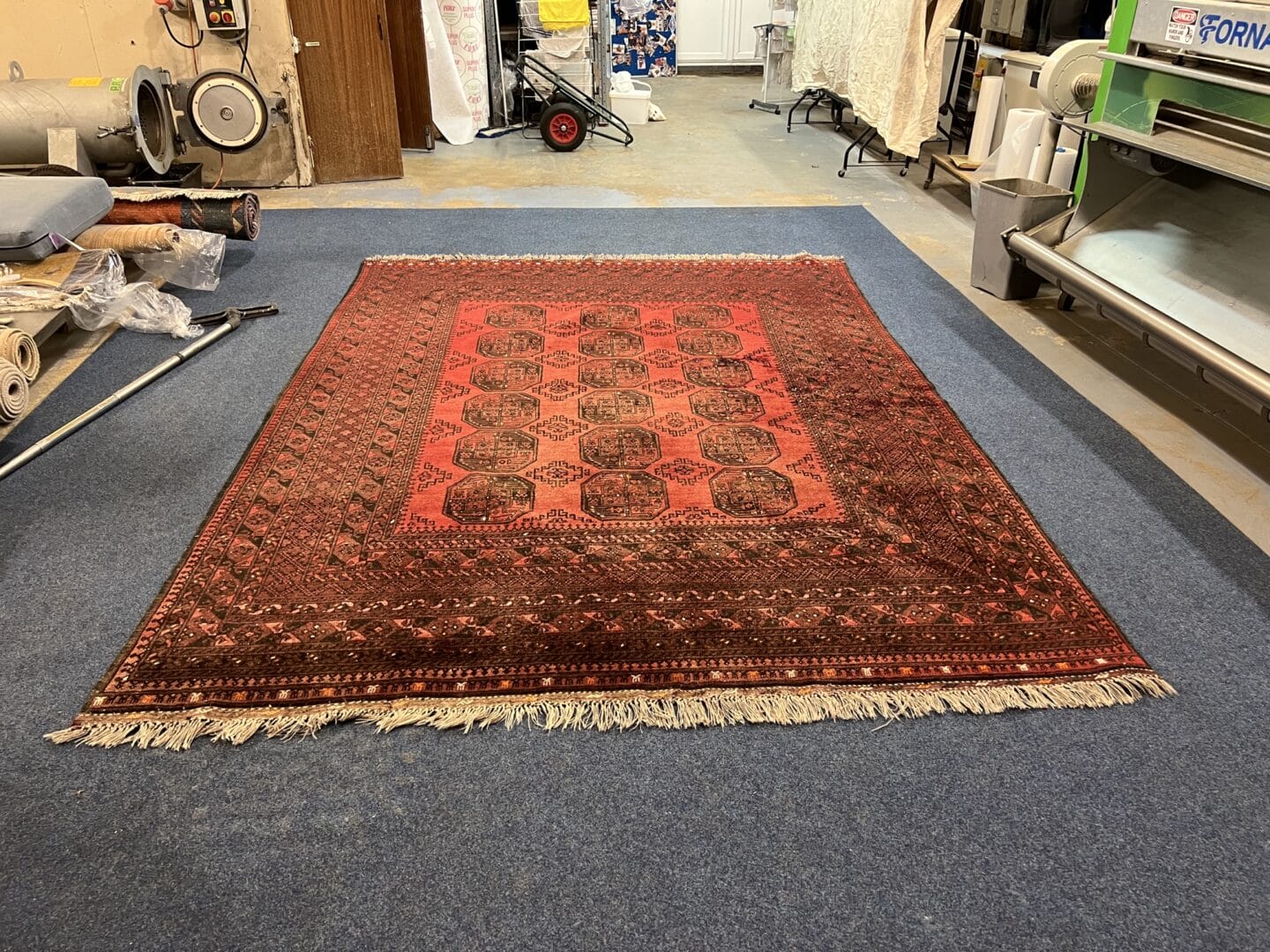
A structured off-site clean helps because it removes embedded debris and food sources, and it allows controlled drying… the rug does not sit damp in the pile and backing. You can see what that looks like in our rug cleaning process.
If the rug needs targeted help, like moth treatment, contamination support, or even odour work, that sits under our specialist treatment.
How to lower the risk after treatment
Once the rug is clean and stable, prevention becomes about consistency rather than intensity.
Vacuum as much as you can, and make sure you get into all the edges and under your furniture in areas where you can. What would be really good is if you could move furniture slightly now and again, so all those hidden areas get airflow and light. Keep an eye on damp corners and seasonal moisture.
If winter is the high-impact season in your home, this guide fits well here: Caring for your rugs through a busy winter season.
When to ask for help
If you can see any thinning, bald patches, or gritty debris at the base of the rug pile, it is worth asking straight away if you can. The quicker you act, the more you can usually avoid turning a manageable issue into a repair.
If you want to talk about it, you can contact us with a quick photo, and we can have a look and see what we can do to help if we can!
FAQs
Do moths only attack dirty rugs?
No. Larvae are drawn to natural fibres and can thrive in hidden, undisturbed areas. Dirt and debris can increase the possibility of the larvae hiding, but clean-looking rugs can still be affected.
Can I solve it with moth spray at home?
Sprays can leave residue, affect dyes, and hide the real issue. If the rug is valuable or delicate, pausing and getting advice is usually safer.
Does professional rug cleaning kill moths?
Cleaning can remove larvae, debris, and food sources, and controlled drying helps reduce the conditions larvae prefer. In some cases, specialist treatment is recommended depending on severity.
Is moth damage reversible?
Cleaning can stabilise the rug and stop ongoing activity, but missing fibres are a repair issue. The goal is preservation and preventing further loss.